
6 European Destinations to Visit Before September Hiring Picks Up
Every August, the same thing happens. Half the industry is in an airport, the other half is covering for them, and every hiring conversation gets pushed to “when things calm down.” Then September hits and everyone’s back in the office, budgets reset, and the whole hiring market moves at once.
Our take: the smartest thing you can do right now is actually take the trip. Not the version where you’re checking Slack from a beach chair. A proper OOO-notifications-set vacation.
Here’s where to go, why September is about to get busy, and what we’re reading poolside so we come back sharper instead of just tanner.
Where to Actually Go
Half of what’s showing up on your Instagram explore page this time of year has already been found. Santorini, the Amalfi Coast, Positano, Cinque Terre, Capri, all of it earned its reputation, and all of it now means a queue to get anywhere and a $40 cocktail with a view you’re sharing with four hundred other people. Here’s where we’d go instead for the same incredible Euro summer, minus the crowds.
Taormina, Sicily
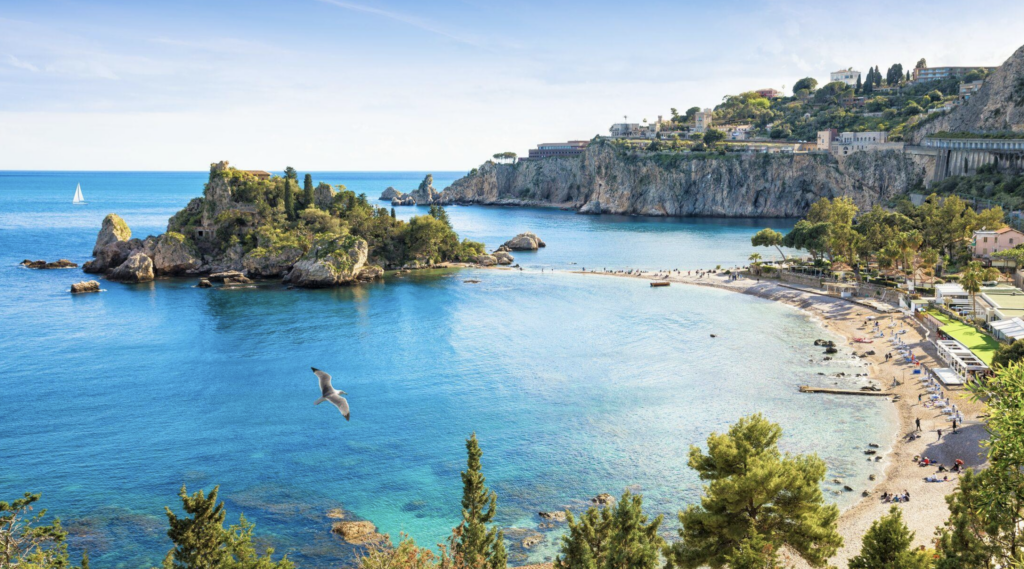
Sicily’s postcard view, minus the Amalfi price tag
Built into the slope of Monte Tauro, Taormina looks out at Mount Etna on one side and the Ionian Sea on the other, and somehow both views are the main event. The 3rd-century Greek Theatre still hosts performances with Etna smoking in the background, and a short cable car ride down gets you to Isola Bella, a tiny island connected to the coast by a sand bar. Touristy in the way Sicily’s best towns are – busy, but never soulless.
Spend a morning wandering Corso Umberto, the main pedestrian street lined with boutiques, gelato counters, and the 13th-century Duomo, then take the cable car down to Isola Bella for a swim in water that’s genuinely that shade of blue. Boat tours run out to Grotta Azzurra, a sea cave where the light turns the water an almost neon color, and it’s worth booking one rather than trying to see it from shore.
This is also one of the few places where you can pair real beach time with a proper day trip. Mount Etna is close enough for a half-day hike or a wine tasting on its volcanic slopes, where the soil produces some of the more interesting reds in Italy.
Ksamil & the Albanian Riviera
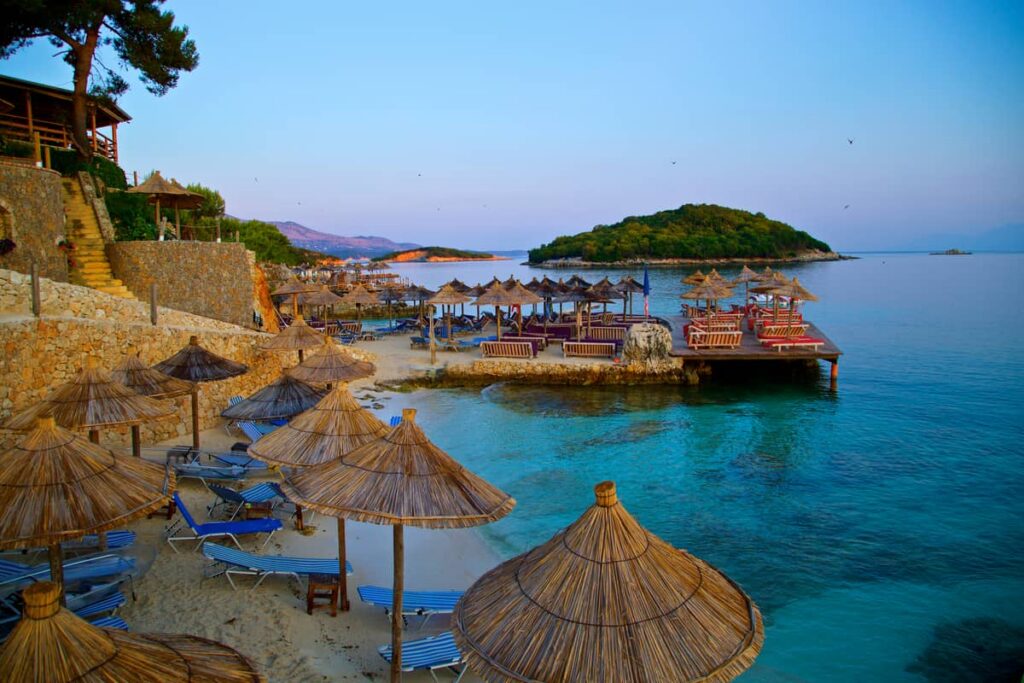
The turquoise water everyone screenshots and nobody can name
Four kilometers south of Sarandë, Ksamil looks like a filtered photo until you’re standing in it. Three small islands sit just offshore, close enough to reach by kayak, and prices run 40 to 60 percent below comparable spots in Greece or Croatia a short ferry ride away. Add a stop at Butrint, a UNESCO-listed archaeological site a few minutes down the coast, and the trip earns its plane ticket before lunch.
Most days start with a boat out to the three islands, or a kayak if you’d rather do it yourself, and end with dinner at one of the beach restaurants right on the sand in Ksamil village. The Blue Eye, a natural spring where the water bubbles up from more than 50 meters down, is a worthwhile half-day trip inland and cold enough to make you gasp.
Sarandë itself is worth an evening: less polished than Ksamil, more of a real town, with a waterfront promenade that gets lively after dark. It’s also the easiest jumping-off point for Corfu, a 30-minute ferry away, if you want a second country without much extra planning.
Porto & the Douro Valley
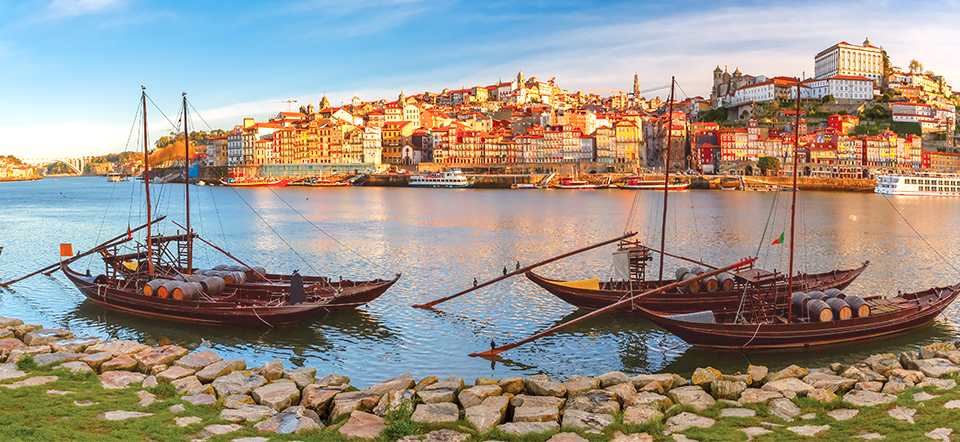
A city built for walking, a valley built for slowing down
Porto is compact enough to cover on foot and interesting enough that you’ll want to. Cross the river to Vila Nova de Gaia for the port wine cellars, then catch the train from São Bento station out to the Douro Valley, terraced vineyards climbing hillsides that look engineered by hand because they were. Give it three or four days if you can swing it – one day covers the highlights, a few more is when it actually sinks in.
In the city, spend a day working through the Ribeira waterfront, the tiled interior of São Bento station, and a proper port tasting in one of the lodges across the river. Save an afternoon for Livraria Lello, the bookstore everyone photographs, and go early before the line does.
The Douro itself is best by train or river cruise rather than car, since the views are the point and someone else should be driving. A tasting at a working quinta, with lunch overlooking the terraces, is worth building a full day around.
Madeira
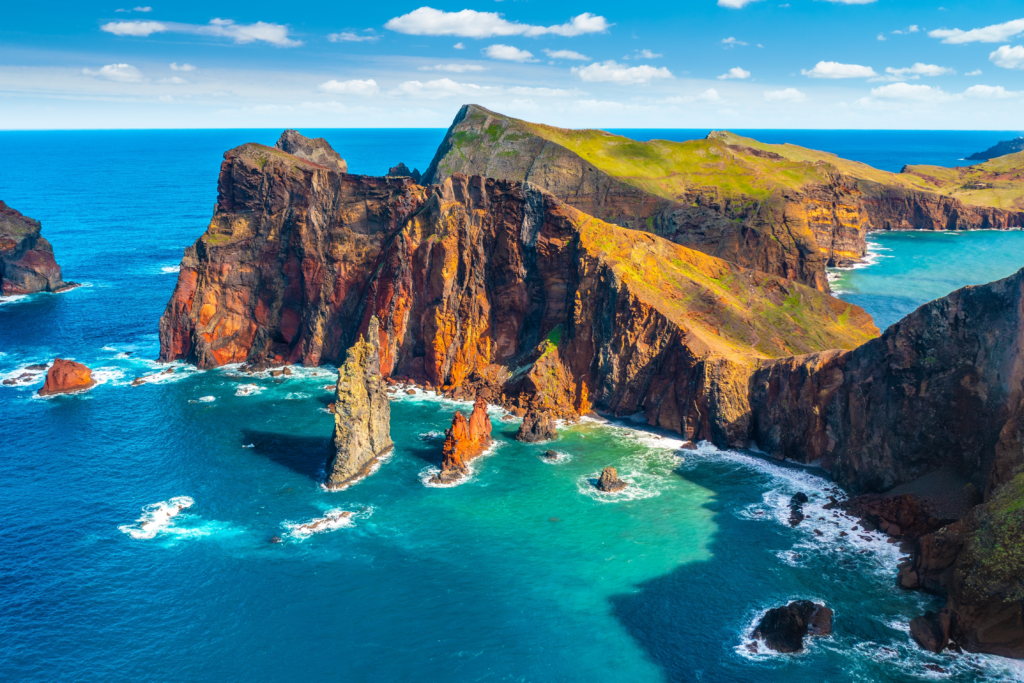
A volcanic island that skipped the crowds
Madeira sits in the Atlantic off the coast of Morocco but feels like nowhere else in Portugal – subtropical, mountainous, and laced with levadas, centuries-old irrigation channels that double as some of Europe’s best hiking trails. Natural lava pools at Porto Moniz replace a standard beach day, and the capital, Funchal, has enough restaurants and old-town charm to fill the days you’re not on a trail.
The levada walks are the main event: flat, well-marked trails that follow the old irrigation channels through forest and along cliff edges, with routes for a casual two-hour walk or a full-day trek depending on how ambitious you’re feeling. Pico do Arieiro, one of the island’s highest points, is worth the early start for the views above the clouds alone.
Funchal has a real restaurant scene built around fresh seafood and Madeira wine, and the old town’s Rua de Santa Maria, where local artists painted the doors, is a good excuse for an evening walk between dinner and drinks.
Krakow, Poland
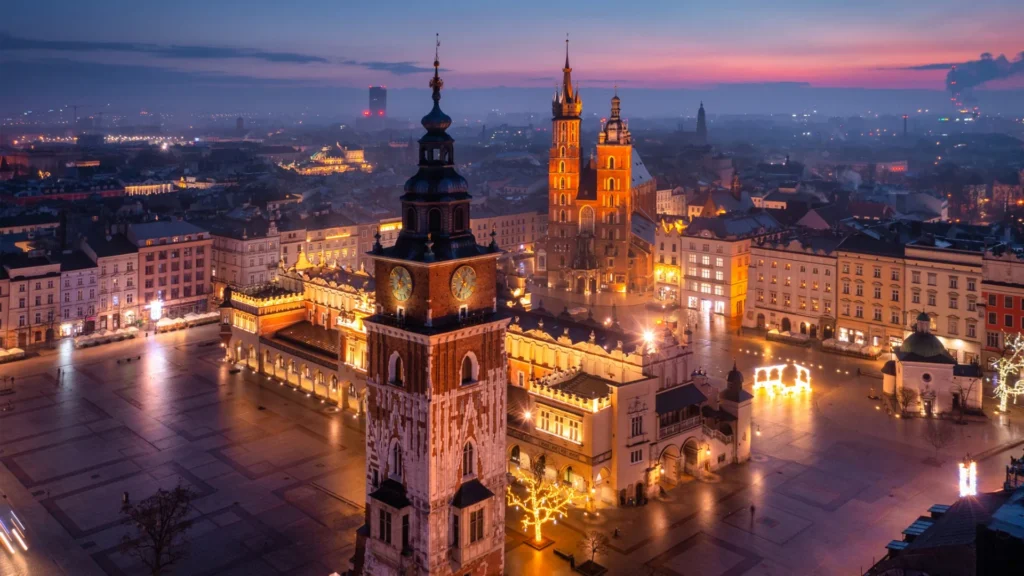
Old-world Europe at half the going rate
Krakow does the cobblestones-and-castle version of Europe without the cobblestones-and-castle prices. The main square is one of the largest surviving medieval squares in Europe, and the food and coffee scene holds its own against cities charging double.
Wawel Castle and the surrounding cathedral complex are worth a full morning, and the main square, Rynek Główny, is where most evenings end up anyway, ringed with cafes and the Cloth Hall market at its center. Kazimierz, the old Jewish quarter, has become the city’s best neighborhood for dinner and a slower pace once the main sights are done.
A day trip to the Wieliczka Salt Mine, an underground complex with chapels and chandeliers carved entirely from salt, is one of the more unusual things to do near any European city.
La Rioja, Spain
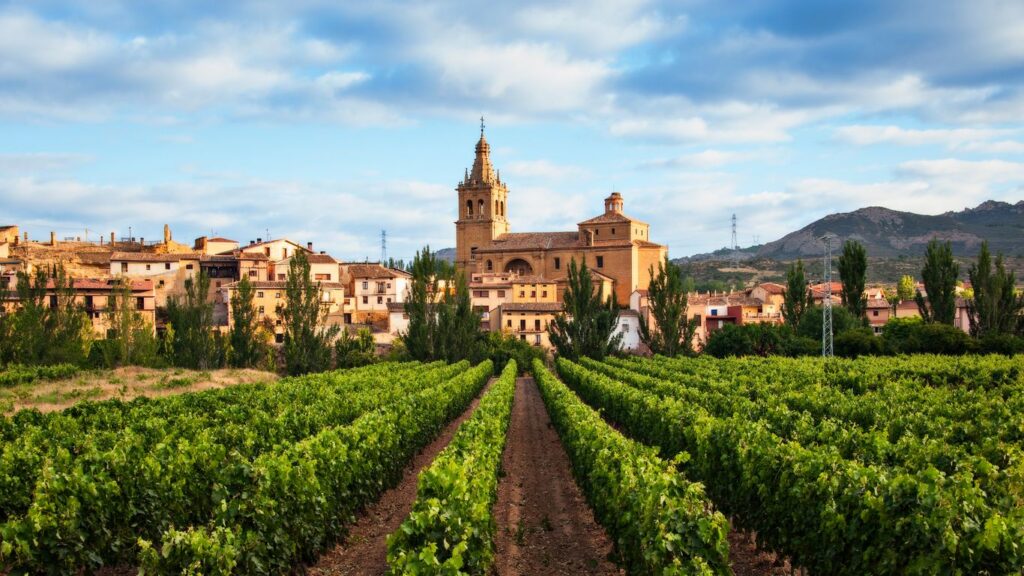
Stunning wine country without the Napa Valley markup
Northern Spain’s wine region trades vineyard-view tasting rooms for actual working vineyards, medieval towns, and a pace of life that slows you down whether you planned on it or not. An easy add-on to a Basque Country trip, or a full destination on its own if wine is the point.
This is a region built for driving between small towns and tasting as you go, with wineries ranging from centuries-old family bodegas to architect-designed spaces like Marqués de Riscal’s Frank Gehry building. Haro, the unofficial wine capital, is worth a full day on its own, its old town centered around a single street packed with bodegas.
Beyond the wine, the medieval towns of Nájera and Santo Domingo de la Calzada sit on the Camino de Santiago route and are worth an hour or two on foot, and the Sierra de Cameros to the south is a good excuse to get outside if the tasting rooms start to blur together.
Why September Is About to Get Busy
Hiring activity runs as much as 40 to 60 percent lower across most industries from June through August, mostly because so many decision-makers and candidates are OOO. Come September, everyone’s back at once: paused searches restart, budgets for the final stretch of the year get locked in, and every brand that waited is suddenly competing for the same people at the same time.
There’s a deadline behind it too – most calendar-year companies lock next year’s headcount and compenation budgets in October or November, which makes September the last real window to get a role approved and moving before that conversation closes and before the holidays slow everything down again.
If European Summer isn’t in the cards for you this year, the good news is that fewer brands are actively hiring in August, which means less competition for top candidates who are around – and more room for you to actually reach them. The strong people you want to talk to don’t stop existing for eight weeks. They just get fewer calls. A search that stays open through August tends to move faster and with less competition than one that starts cold in September.
Good People Take: you don’t have to choose between taking a real break and staying ahead on hiring.
Taking time off in summer is a great (and very fun) call, and we can have everything ready to move the second you’re back.
Staying in the game is also a great call, since August is one of the quieter, easier times all year to get in front of strong candidates before the market gets loud again.
If you want to get a search moving this August, before September’s rush of hiring managers all show up at once, reach out to our team at Good People.
What We’re Reading on the Beach
A few books our team is bringing on vacation this year, all worth the suitcase space:
“Never Split the Difference” by Chris Voss – written by a former FBI hostage negotiator, it’s still the sharpest negotiation book out there, built around real high-stakes scenarios instead of abstract theory. The tactics translate directly to comp conversations, counteroffers, and the moment a strong candidate is deciding between you and someone else.
“Radical Candor” by Kim Scott – a practical framework for giving feedback that’s honest without being harsh, built from Scott’s time managing teams at Google and Apple. Good to have fresh before a tough performance conversation, or before setting real expectations with someone new on the team.
“Multipliers” by Liz Wiseman – a close look at the difference between leaders who make the people around them smarter and more capable, and the ones who quietly drain a room without meaning to. Worth reading if a strong hire isn’t performing the way they did somewhere else, and you’re trying to figure out why.
“The Making of a Manager” by Julie Zhuo – a first-time manager’s honest account of what the job actually involves, drawn from Zhuo’s own path into leadership at Facebook. Essential if anyone on your team stepped into a leadership role for the first time this year and is still finding their footing.